
SADE Booster IoT Asset
- Ready-made Building Blocks
- Focus on Value Creation
- Accelerated Market Entry
- Scalable Cloud Solution
- Tested and Trusted
Build, buy or Booster
Three honest routes to a connected product.
Each column is a reasonable choice for some situations. The question is which trade-off fits your product.
| Consideration | Ready-made platform | Built from scratch | SADE Booster |
|---|---|---|---|
| Speed of starting | Fast | Slow | Fast |
| Customizability | Limited | Complete | Very extensive |
| Your own user interface | Limited | Yes | Yes |
| Your own roadmap | Partial | Yes | Yes |
| Cost of building the foundation | Low at first, high later | High | Low |
| Source code access | No | Yes | Yes, included in the licence |
| Your own team can develop it further | Within the platform, at best | Yes | Yes |
| Vendor lock-in risk | High | Low | Low |
| Scalability | Platform-dependent | Implementation-dependent | Excellent (AWS-based) |
| Customer-specific business logic | Limited | Yes | Yes |
Speed of starting
- Ready-made platform
- Fast
- Built from scratch
- Slow
- SADE Booster
- Fast
Customizability
- Ready-made platform
- Limited
- Built from scratch
- Complete
- SADE Booster
- Very extensive
Your own user interface
- Ready-made platform
- Limited
- Built from scratch
- Yes
- SADE Booster
- Yes
Your own roadmap
- Ready-made platform
- Partial
- Built from scratch
- Yes
- SADE Booster
- Yes
Cost of building the foundation
- Ready-made platform
- Low at first, high later
- Built from scratch
- High
- SADE Booster
- Low
Source code access
- Ready-made platform
- No
- Built from scratch
- Yes
- SADE Booster
- Yes, included in the licence
Your own team can develop it further
- Ready-made platform
- Within the platform, at best
- Built from scratch
- Yes
- SADE Booster
- Yes
Vendor lock-in risk
- Ready-made platform
- High
- Built from scratch
- Low
- SADE Booster
- Low
Scalability
- Ready-made platform
- Platform-dependent
- Built from scratch
- Implementation-dependent
- SADE Booster
- Excellent (AWS-based)
Customer-specific business logic
- Ready-made platform
- Limited
- Built from scratch
- Yes
- SADE Booster
- Yes
If your requirements are genuinely standard, a ready-made platform can be the right answer, and we will say so. Booster earns its place when your product needs to be different from everyone else's.
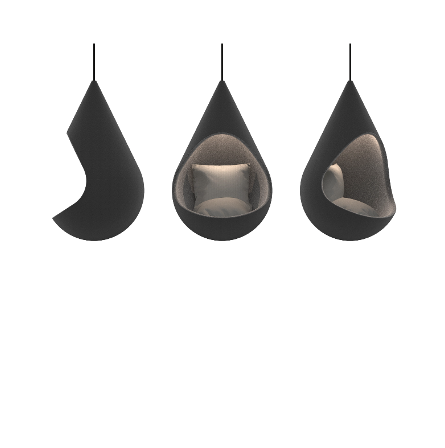
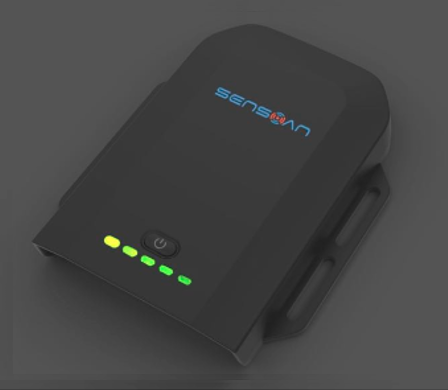
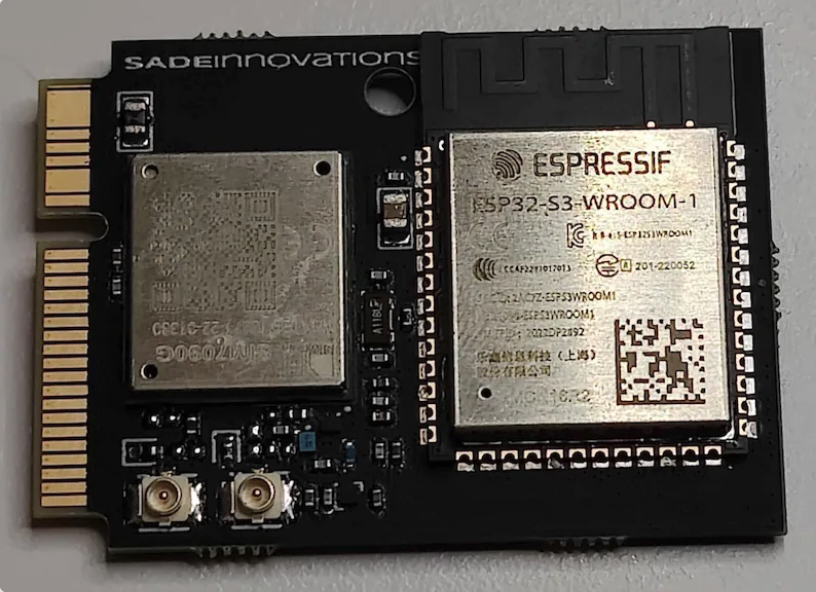
Sensor/Device (Core Node)
- Basic building block for any IoT/Connected device solution, excellent feature set with low BOM cost
- Full cloud connectivity (data & control) over secure WiFi, cellular (2G/NB-IoT/LTE-M) or ethernet connection
- Both mobile/battery powered and on-premise installations, optional display & touch, GPS, supporting various sensors and I/O interfaces
- Wi-Fi, Bluetooth, cellular and Ethernet, including global cellular connectivity through our Onomondo partnership
Details
- FreeRTOS with AWS IoT core support. All basic IoT features like device management, OTA updates, etc. out of the box.
- Zephyr, FreeRTOS and Linux device software, power management, local logic and a tested update path
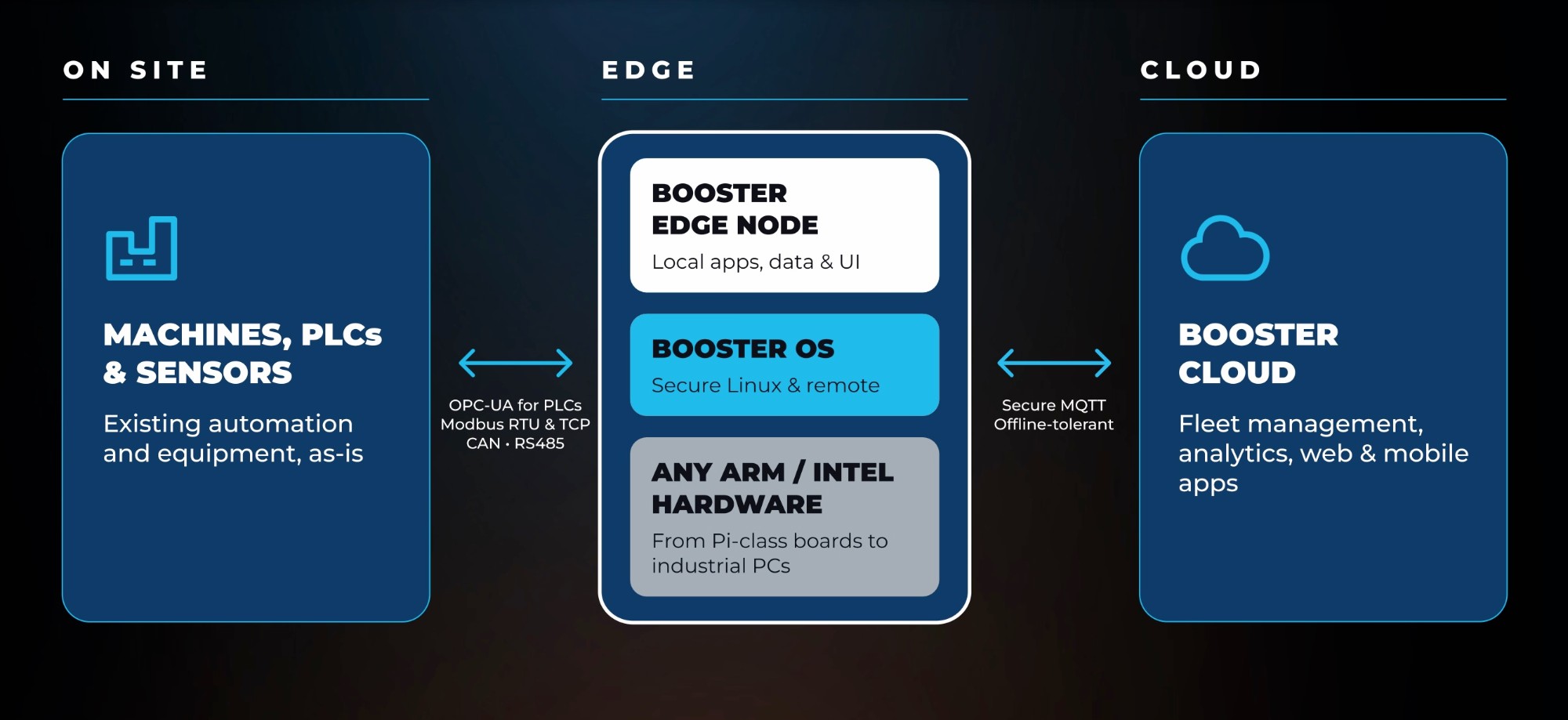
Edge (Booster OS and Edge Node) – NEW!
The latest addition to our Booster portfolio: Booster OS and Edge Node.
When connecting the devices straight to the cloud is not enough and local intelligence is needed on the edge, Booster OS and Edge Node come into play.
Why have Edge? When the data is processed locally on site, only what is needed is sent to the cloud:
- Local storage and a local user interface: the site has its own data and its own screens
- Real-time decisions happen on site, without waiting for the cloud
- Sites keep running when offline, and sync when they are back online
- Processing data locally reduces cloud data costs
Details
- Booster OS: a hardened Yocto Linux for products a microcontroller cannot carry – signed A/B updates with rollback, an encrypted data partition, no root login over SSH, reproducible builds.
- Reference targets run from Raspberry Pi to an industrial i.MX8M Plus module and CAN-heavy gateways, and the base is built to carry your CRA and RED/IEC 62443 obligations rather than to complicate them.
- Booster Edge Node: the application layer above it, mostly written in Rust – CAN, Modbus and OPC-UA mapped onto MQTT, a local database and REST API with its own access control, and a cloud bridge that keeps recording while the network is gone and syncs when it returns.
- It scales from a 512 MB device to a hub serving a whole site.
- Read more where we have already used this:NATO Innovation Range 2026 →
Avant Power OptiGrid →
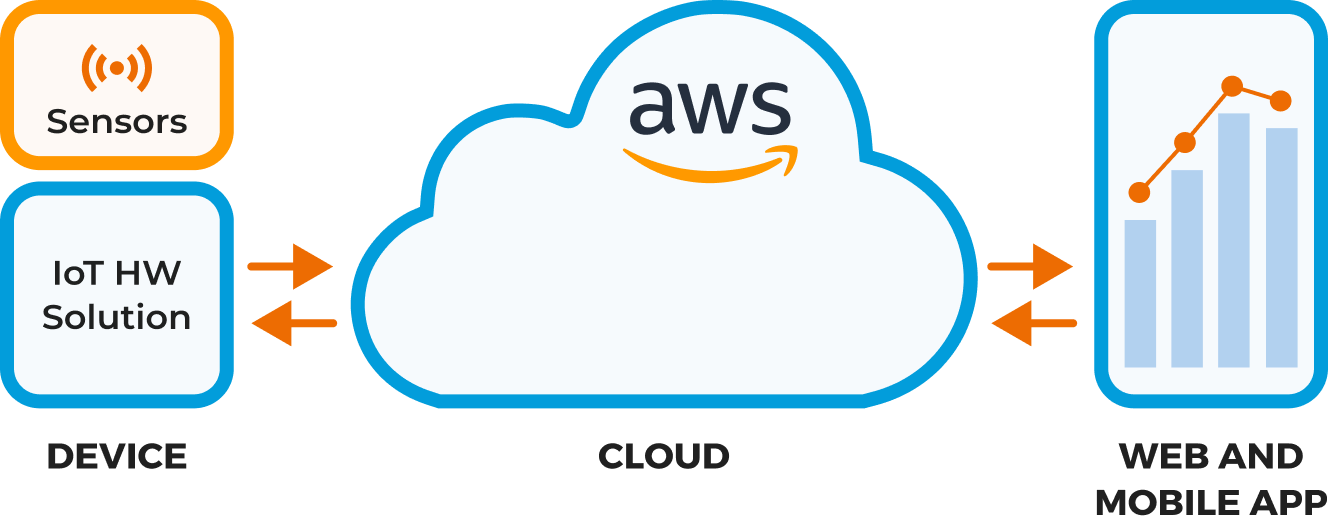
Cloud
- Amazon Web Services (AWS) based solution implemented on top of AWS IoT Core service
- Data storage and analytics functionality, ability to follow & control devices from cloud in real-time
- Extensive support for data analysis ranging from basic business intelligence functionality to advanced machine learning based features
- Built using serverless architecture, this minimizes cloud operating costs and automatically scales to any number of connected devices using same architecture
- Basis for implementing secure, updatable (over-the-air) and robust cloud connected device/IoT solutions
Details
- Documented interfaces for your own systems — ERP, CRM, service management or a customer's platform
- Contracts and shared access: a maintenance company, an installer or a guest gets access to named devices without being moved into your organisation tree. Access is scoped per device and per role, ends when the contract ends, and alarm notifications follow the same rule
Web App
- Built-in basic functionality for visualizing data and controlling devices remotely. Simple & fast starting point for any end user functionality
- Supports out-of-the-box user accounts, user login/sign-up, groups and roles to implement authentication and authorization. Includes ready-made basic UIs (like login and registering)
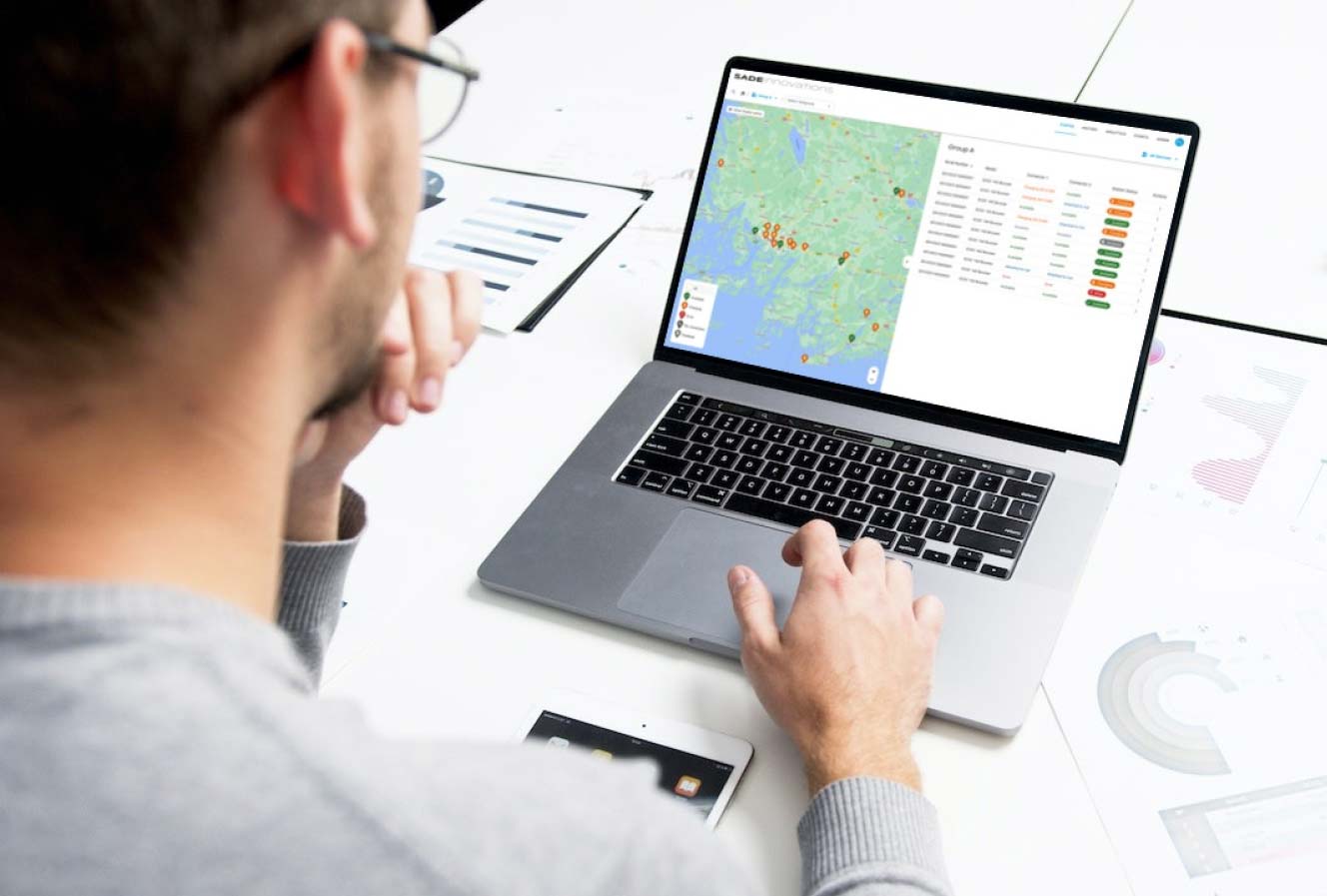
- View current status of your device fleet (including map view), analyze device measurement history and control & manage either individual or groups of devices
- Basis for implementing web and mobile applications for end users using React or React Native application frameworks
Details
These views exist and run in production today:
- Fleet status on a map, in a table or as cards, updating live
- History: charts, sessions, device comparison, CSV export
- Events: severity, acknowledgement, frequency over time
- Analytics: embedded QuickSight dashboards for the selected fleet
- Admin: organisations, devices, users, contracts, OTA batches
- Account: sign-in, invitations, multi-factor, personal data export
Mobile App
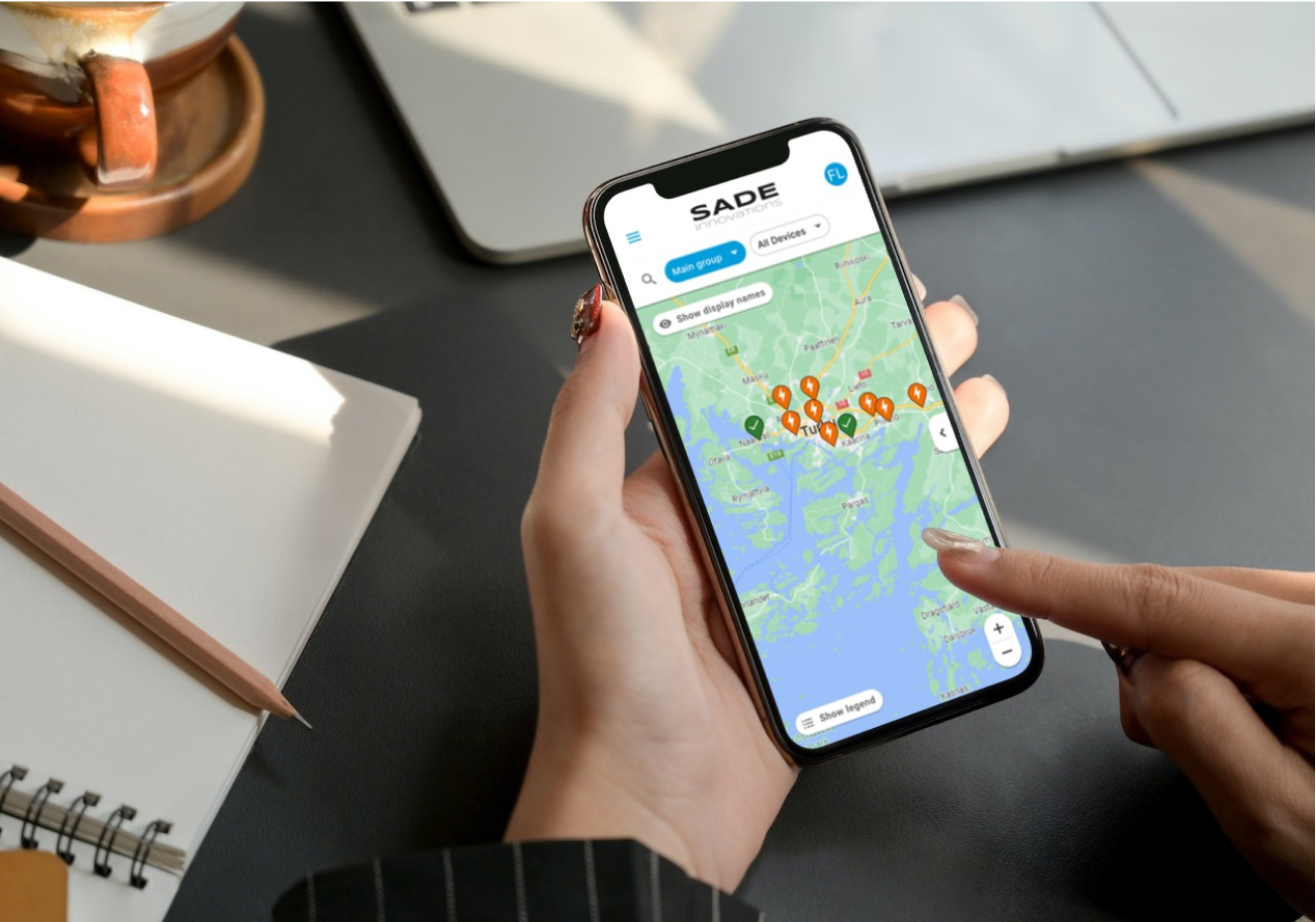
- Mobile application that brings the features of SADE Booster to mobile devices
- Easy and fit-to-purpose usability when using the mobile app: focus on one device, not many -- the user is able to see more devices on the mobile app as well, but that is not the main focus for the mobile usage
- Customizable with flexibility: not only the needed functional features for our customers but also those important customer-specific graphics and mods in the look & feel of the UI are flexibly tailorable
- Synergies through common Booster code base via the use of React & React Native application frameworks
- Both for Android and iOS
Details
What is already built:
- Bluetooth device discovery and Wi-Fi pairing over BLE
- Ownership claiming, removal and factory reset
- Live status, telemetry history and real-time controls
- Map of the user's own devices
- Push notifications, switchable per category
- Account creation, login, password reset, deletion
Fit
When Booster is the right call — and when it is not.
SADE Booster is a strong fit when
- You are building a differentiated connected product
- A standard IoT platform is too restrictive
- You need cloud, device and application development from one partner
- Time-to-market matters
- You expect the solution to evolve for years
- You need control over the user experience and product roadmap
- You want the option to continue development with your own team
- You can name the person who will use this daily, and describe their day without it
A standard SaaS platform may be better when
- Your requirements are fully standard
- You do not need a custom user experience
- You do not need customer-specific integrations
- You prefer configuration over product development
- The business case only works if every assumption in it turns out to be true
How a project runs
Five phases, with a working product in the middle.
Discovery: users, business case and technical fit
DetailsWho it is for, and whether the case holds.- Goal
- Establish who the product is for, whether the case for building it holds, and only then whether Booster is the right foundation.
- What we need from you
- Your product idea or existing system, access to the people who will actually use it, and the business result you expect from it.
- What SADE owns
- User and use-context analysis, a business case we are willing to defend, system-level technical assessment against the non-functional requirements, and an honest fit recommendation.
- Concrete outcome
- A written view of the route forward — including the case for not using Booster, or for not building the product at all, if that is the answer.
Scope and architecture
DetailsThe requirement becomes an architecture and a costed scope.- Goal
- Turn the requirement into an architecture and a scope that can be estimated.
- What we need from you
- Decisions on priorities, integrations and target volumes.
- What SADE owns
- System architecture across device, cloud and application, plus estimation.
- Concrete outcome
- Architecture description, scope and a costed plan.
Working prototype
DetailsSomething real in front of a real user.- Goal
- Get something real in front of an actual user, early, while changing direction is still cheap.
- What we need from you
- Feedback from your team and from real users — we will ask you to arrange access to them.
- What SADE owns
- Building on the Booster foundation, connecting device to cloud to interface.
- Concrete outcome
- A demonstrable prototype, not a slide deck.
Product development and validation
DetailsThe features that differentiate the product, built and tested.- Goal
- Build the product itself: the features, experience and logic that differentiate it.
- What we need from you
- Product decisions, domain expertise and review.
- What SADE owns
- Development, testing, security work and a named Lead Engineer carrying delivery.
- Concrete outcome
- A validated product ready for launch.
Launch, maintenance and continuous development
DetailsInto the field, and kept healthy as the fleet grows.- Goal
- Get it into the field and keep it healthy as the fleet grows.
- What we need from you
- Operational feedback and roadmap priorities.
- What SADE owns
- Launch support, monitoring, maintenance and ongoing development.
- Concrete outcome
- A product in production with a route for the next release.
Ready to get started?
Tell us what you are trying to connect. You do not need a finished specification. A description of the product, the constraints and the timeline is enough for us to tell you whether Booster helps.